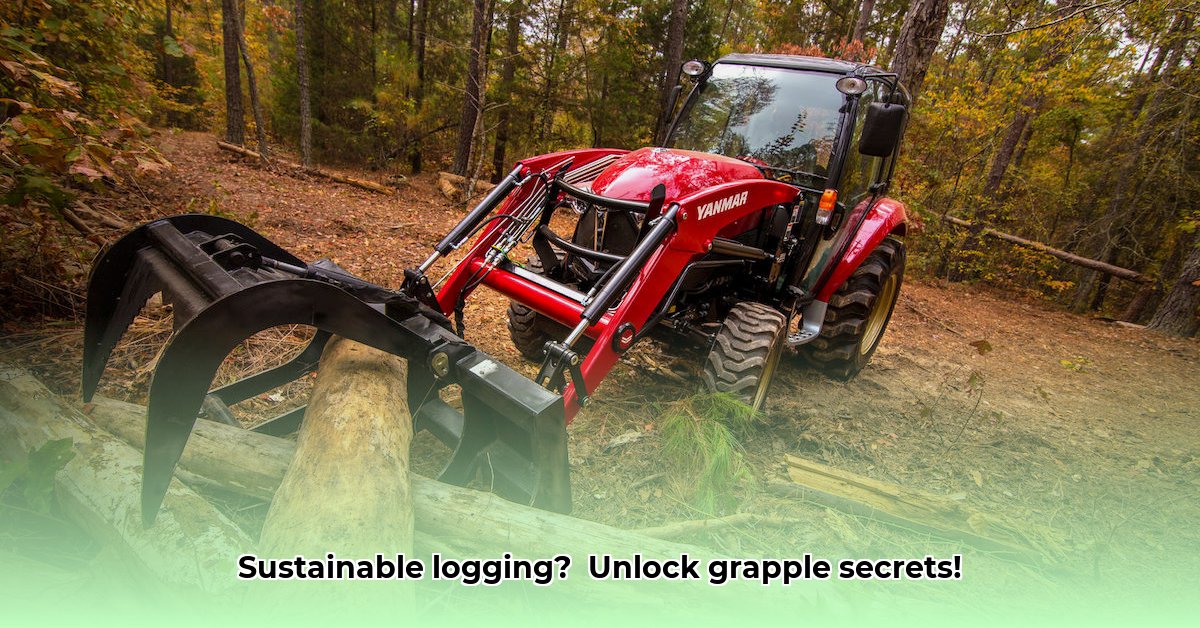
Log Grapple Technology: A Review of the Uniforest Scorpion and Its Impact on Sustainable Forestry
Choosing the right equipment is pivotal for sustainable logging practices. This review analyzes the Uniforest Scorpion log grapple, assessing its strengths and limitations within the broader context of environmentally responsible forestry. We will evaluate its performance, assess its impact on soil and forest health, and provide actionable recommendations for stakeholders. Our analysis prioritizes objective data and verifiable evidence, aiming for a balanced perspective that goes beyond a simple product endorsement. For more on grapple options, check out this helpful resource.
Uniforest Scorpion Log Grapple: Technical Specifications and Initial Assessment
The Uniforest Scorpion features a clamping force of 21,000 pounds and a 70-inch opening, promising increased efficiency by reducing the number of trips required during log extraction. Its robust construction, using durable, rust-resistant materials, suggests a potentially long lifespan, minimizing waste associated with frequent replacements. However, a comprehensive assessment requires further data on several crucial aspects.
Data Gaps and the Need for Comprehensive Evaluation
While the Scorpion’s power is impressive, key information remains unavailable for a complete sustainability evaluation. Independent testing is needed to verify fuel savings in real-world logging operations. The grapple’s impact on soil compaction—a critical factor in forest health—requires rigorous quantification. Similarly, the grapple’s true lifespan under various operational conditions (heavy vs. light use, varying terrain) needs to be determined. Finally, a comprehensive lifecycle assessment (LCA) accounting for manufacturing, material sourcing, transport, and eventual disposal is crucial for determining its overall environmental footprint. Without this data, a complete evaluation of the Scorpion's sustainability remains impossible.
Sustainable Logging: A Multifaceted Approach
Sustainable logging necessitates a holistic approach encompassing equipment efficiency, responsible logging practices, and robust regulations. These three elements are interconnected; weakness in any one area compromises the overall system’s sustainability. Improving grapple technology, therefore, is only one piece of a larger, interwoven puzzle.
Actionable Steps Towards Greener Logging Practices
To advance sustainable forestry practices, concrete actions are required from various stakeholders:
1. For Logging Businesses:
- Rigorous Field Testing: Conduct independent, transparent field tests to quantify fuel savings and soil compaction levels. Detailed documentation is essential.
- Best Practices Implementation: Implement and document best practices for minimizing soil disturbance (e.g., erosion control methods, designated haul routes).
- Comprehensive Lifecycle Assessments: Commission LCAs for all logging equipment, including the Scorpion, to understand its complete environmental burden.
2. For Equipment Manufacturers (like Uniforest):
- Transparent Sustainability Reporting: Publish comprehensive sustainability reports detailing manufacturing processes, material sourcing, and environmental impacts throughout the product's life cycle.
- Design Innovation: Invest in research and development of lighter, stronger, and recyclable materials. Develop more energy-efficient hydraulic systems. Design for ease of repair and component replacement to extend lifespan.
- Design for Recyclability: Prioritize designing grapples for easy dismantling and component reuse at the end of their service life.
3. For Regulatory Agencies and Policy Makers:
- Standardized Environmental Metrics: Develop standardized, auditable metrics for evaluating the environmental performance of logging equipment.
- Sustainability in Regulations: Integrate equipment sustainability into permitting and licensing for logging operations.
- Incentivize Sustainable Practices: Implement incentive programs and regulations that reward environmentally friendly designs and practices.
Risk Assessment: A Realistic Perspective
Even with the best equipment and practices, risks remain in heavy logging. The following table outlines potential risks associated with log grapple technology and suggested mitigation strategies:
| Technology/Practice | Risk Category | Likelihood | Impact | Mitigation Strategy |
|---|---|---|---|---|
| Log Grapple for Tractor | Soil Compaction | Moderate | Moderate | Utilize designated trails; implement soil erosion controls; explore alternative grapple designs. |
| Equipment Failure | Low | High | Regular maintenance; redundant safety systems; thorough operator training. | |
| Environmental Impact | Moderate | Moderate | Lifecycle analysis; eco-friendly material selection; responsible disposal. | |
| Sustainable Logging Practices | Lack of Regulation | High | Very High | Advocate for clear regulations; establish robust industry standards. |
| Unsustainable Harvesting | High | Very High | Implement strict harvesting guidelines; independent monitoring of practices. |
Minimizing Soil Compaction: Best Practices and a Holistic Approach
Soil compaction, a significant consequence of heavy machinery use, negatively impacts forest health. While log grapples offer potential advantages over traditional methods, minimizing compaction requires a holistic approach:
- Equipment Selection: Opt for lighter grapples appropriately sized for the logs being harvested. Overloading increases compaction.
- Operational Skill: Proper operating techniques (efficient routes, minimal passes) are crucial. Skilled operators can significantly reduce ground disturbance.
- Site Assessment: Careful pre-harvest planning, including soil surveys, helps identify and avoid sensitive areas. Wet or sloped terrain requires modified approaches or delays.
- Post-Harvest Management: Implement soil stabilization techniques.
Conclusion: A Collaborative Path Forward
Sustainable logging demands a collaborative effort. Transparency from manufacturers, investment in research and development, and strong, enforceable regulations are all essential for creating a future where economic productivity and environmental stewardship coexist. The future of sustainable forestry hinges on the collective commitment of all stakeholders.